

高雄社會局舉辦的性別與公正轉型工作坊,探討了在社會轉型過程中不同群體所面臨的挑戰,特別是女性在經濟、社會參與及永續實踐上的困境,並集思廣益提出解決方案。
很高興受邀參與由高雄市社會局主辦的「性別及公正轉型工作坊」,這次由台灣綠能公益發展協會帶來淨零性別的相關知識,與南台灣的朋友們一起對話交流。從與會者的分享中,我們深刻感受到不同城市面臨的轉型困境與可能解方,一起來看看高雄的在地觀察與行動契機吧!
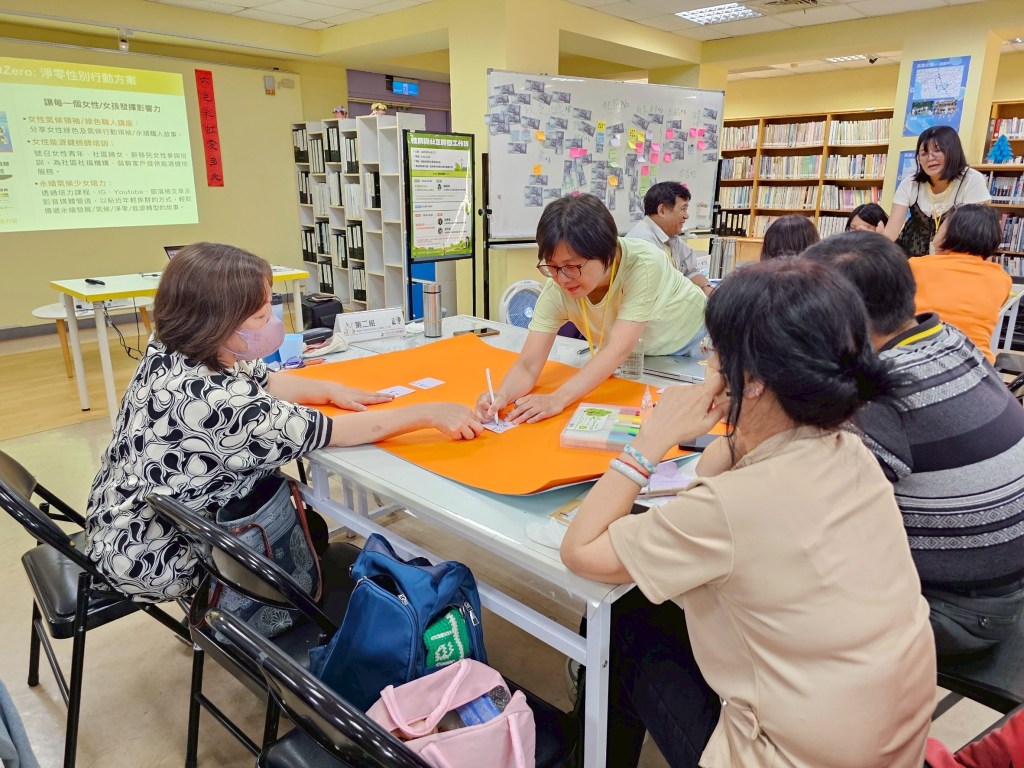
第一階段小組討論:性別與公正轉型面臨的挑戰
與會者點出多項性別不平等的現況與挑戰:
- 經濟與永續實踐的衝突:環保行為如搭乘大眾運輸或自備容器,其成本往往高於非環保選項,打擊民眾實踐永續生活的動機。同時,能源知識的獲取存在城鄉、數位及年齡的落差。
- 女性的雙重負擔與職業隔離:女性在職場外仍需承擔大量家務與照護責任,形成雙重負擔;職業上則面臨性別刻板印象,例如照護工作主要由女性承擔,限制了其職涯發展。
- 社會與產業轉型中的性別盲點:傳統財產繼承多以男性為主,女性貢獻常被忽視。此外,跨性別群體在政策討論和數據收集上常被排除,其在社會變革下的影響缺乏關注。
- 社區推動公正轉型的潛力:家庭照顧者,特別是年長女性,在永續生活中扮演重要角色卻常被忽視。可透過社區活動如綠色生活或旅遊,提升其對永續概念的認識。
- 女性在永續認知與創業的挑戰:中高齡及社區女性在永續認知提升上遇到資訊傳遞落差,且社區決策權多掌握在男性手中。此外,女性在創業領域仍集中於民生消費,永續及ESG相關產業參與度較低。
- 回收分類的認知與教育不足:民眾對回收細項常有混淆,缺乏具體、持續的回收教育,導致認知落差。
第二階段小組討論:創新解決方案
各小組針對上述挑戰提出了具體的解決方案:
- 連結社區照護據點與高齡女性技能運用:建議開設永續環保餐廳,由社區中高齡女性擔任核心,運用在地食材與傳統手藝,創造就業機會並傳承社區文化,同時尋求企業合作,建立社區回饋機制。
- 打造具永續意識的在地發展模式:透過在地培力推廣特色農產品與綠色生活,例如舉辦社區環保教學活動,並利用APP傳遞氣候與淨零相關資訊,鼓勵民眾參與永續行動。
- 推動可近性高的碳管理與盤查培訓課程:鑒於企業對碳盤查人才的需求,建議協會協助開設成本較低、效益明確的碳管理培訓課程,鼓勵女性進入此潛力領域。
- 建立淨零與性別政策宣導網絡:建議高雄市社會局透過社區發展協會網絡,培訓講師與種子講師,將淨零政策、社區活動與培訓內容有效傳遞至各社區,彌補宣導資源不足的現況。
- 時間銀行促進跨地域及跨世代照護:提出「社區互助時間銀行」概念,建立平台讓民眾累積照護服務時數,並在有需求時兌換協助,促進社區互助,減輕照護負擔並打破性別與地域限制。
- 廚餘回收再利用與鼓勵女性參與太陽能推廣:建議推動廚餘回收再利用(作為銷售或用於農漁業),並鼓勵中高齡及社區女性參與太陽能板架設或推廣工作,提供業務培訓以提升其收入與專業能力。
總結而言,此次工作坊不僅揭示了當前社會在性別與公正轉型上遇到的挑戰,也集結了多元視角與創新思維,為高雄市推動更具包容性的永續發展提供了具體方向。

我們可以怎麼做?推動在地化的永續與性別行動
1.串聯社區照護據點,推動在地永續餐廳
可考慮在社區內設置永續餐廳,聘請在地中高齡者擔任服務與料理角色,並使用本地食材如大蔥、鳳梨等,創造地方經濟循環與長者價值再現。同時鼓勵企業參與,共創回饋社區的正向機制。
2.提供碳管理及盤查培訓課程促進女性參與
目前市面上的碳盤查與碳管理課程價格偏高且難以辨別效益。與會者建議協會可協助設計適合女性參與的入門課程,培養更多淨零推動人才。
3.培力種子講師,讓淨零性別政策進社區
現階段淨零與性別議題多停留在政策層次,難以深入社區。透過培訓在地種子講師進行宣導與課程分享,可協助政策落地,提升民眾認知與參與意願。
4.建立照顧時數平台,擴大跨世代互助網絡
可參考衛福部的照顧時數平台機制,推動可兌換的照護時數制度,讓提供照顧服務者能累積時數,未來再用於自身或家人需要時兌換照顧支援。這樣的制度也有助於突破性別與年齡的限制,促進互助共好。
從高雄出發,為淨零性別鋪路的下一步
這次在高雄的工作坊,不僅讓我們感受到南台灣在性別與永續轉型上的獨特挑戰,也啟發了更多創新的在地行動想像。未來,台灣綠能公益發展協會也將持續開設更多培訓課程,推動性別友善的永續轉型。有興趣的夥伴,歡迎持續關注我們的消息,一起在淨零之路上努力前行!
Kaohsiung Social Affairs Bureau: Gender and Just Transition Workshop Group Discussion Summary
The Kaohsiung Social Affairs Bureau’s workshop on Gender and Just Transition explored challenges faced by various groups during societal transformation, particularly focusing on difficulties encountered by women in economic participation, social involvement, and sustainable practices. The discussions generated various solutions to address these issues.
Phase 1: Challenges in Gender and Just Transition
Participants highlighted several existing gender inequalities and challenges:
- Conflict between Economy and Sustainable Practices: Environmentally friendly choices like using public transport or reusable containers often cost more than less sustainable alternatives, dampening motivation for eco-conscious behavior. Furthermore, access to energy-related knowledge shows disparities across urban/rural areas, digital access, and age groups.
- Women’s Double Burden and Occupational Segregation: Women frequently bear significant housework and caregiving responsibilities in addition to their professional work, creating a “double burden." In the workplace, gender stereotypes persist; for example, caregiving roles are predominantly filled by women, limiting their career progression.
- Gender Blind Spots in Social and Industrial Transition: Traditional property inheritance often favors men, and women’s contributions are frequently overlooked. Additionally, transgender individuals are often excluded from policy discussions and data collection, leading to a lack of understanding regarding how social changes affect them.
- Potential for Community-Driven Just Transition: Family caregivers, especially elderly women, play a crucial yet often unrecognized role in sustainable living. Community activities like green living or eco-tourism can raise their awareness of sustainability concepts.
- Challenges for Women in Sustainability Awareness and Entrepreneurship: Middle-aged and community women face difficulties in enhancing their sustainability awareness due to information dissemination gaps, and decision-making power within communities often rests with men. Moreover, women’s entrepreneurial ventures are largely concentrated in consumer goods, with lower participation in sustainability and ESG-related industries.
- Gaps in Recycling Knowledge and Education: Public confusion regarding recycling specifics is widespread. There’s a lack of detailed and continuous recycling education, resulting in knowledge disparities.
Phase 2: Innovative Solutions
Each group proposed concrete solutions to the identified challenges:
- Connecting Community Care Centers with Local Resources and Utilizing Elderly Women’s Skills: It was suggested to open a sustainable and eco-friendly restaurant where middle-aged and elderly women from the community would be central to service and food preparation. This initiative would leverage local ingredients and traditional craftsmanship, creating employment opportunities and preserving community culture. Partnerships with businesses were also proposed to establish a community feedback mechanism.
- Creating a Locally-Driven Sustainable Development Model: This group proposed fostering local food resources through community empowerment, promoting unique local products, and raising environmental awareness within communities through activities like educational workshops. Utilizing apps for climate and net-zero information dissemination was also suggested.
- Promoting Accessible Carbon Management and Auditing Training Programs: Recognizing the corporate demand for carbon auditing professionals, the group recommended that associations help establish affordable and effective carbon management training programs, encouraging women to enter this promising field.
- Establishing a Network for Net-Zero and Gender Policy Dissemination in Communities: The Kaohsiung Social Affairs Bureau proposed using the network of community development associations to train instructors and “seed instructors." This network would then effectively disseminate net-zero policies, community activities, and training content to various communities, addressing the current lack of outreach resources.
- Time Bank for Inter-Regional and Inter-Generational Care Support: The “Community Mutual Aid Time Bank" concept was introduced, involving a platform where individuals could log hours spent providing services (e.g., accompanying seniors to appointments). These hours could then be redeemed for assistance when needed, fostering community mutual aid, alleviating care burdens, and overcoming gender and geographical limitations.
- Food Waste Recycling and Encouraging Middle-Aged and Community Women’s Participation in Solar Promotion: This proposal focused on recycling food waste for sale or use in rural farming/aquaponics systems, enhancing resource circularity. It also advocated for encouraging middle-aged individuals and community women to participate in solar panel installation or promotion, offering business training to boost their income and professional skills.
Paving the Way for Net-Zero Gender Equality: The Next Steps from Kaohsiung
This workshop in Kaohsiung not only highlighted the unique challenges faced by southern Taiwan in gender and sustainable transition but also inspired more innovative local actions. Moving forward, the Taiwan Green Energy for Charity Association will continue to offer more training courses, promoting a gender-friendly sustainable transition. If you’re interested in joining us on this journey towards net-zero, we welcome you to stay tuned for our updates and work together!
 台灣綠能公益發展協會